Southeast Kansas housing leaders told the U.S. Department of Agriculture's top rural development official Wednesday that the region's housing shortage isn't just a low-income problem. Construction costs, low appraisals and slow approvals are shutting out ordinary working buyers, they said.
Glen Smith, USDA under secretary for rural development, met with local housing leaders at a Fort Scott roundtable hosted by U.S. Rep. Derek Schmidt, R-Kan.
Bailey Lyons, a Fort Scott realtor, said the families struggling to buy aren't the ones most federal housing programs are aimed at.
"In our rural towns, those aren't low-income people," Lyons said. "They're regular buyers."
"They meet the qualifications for USDA, and they can't pay $300,000 for a 1,500-square-foot, three-bed, two-bath house," she said.
Builders face their own gap, Lyons said. A new home is appraised against the older homes around it, so the appraisal can come in well below what it cost to build.
"The buyer can't cover it, and the developer can't eat it," she said.
Lyons said she has sat on every local housing committee for almost 10 years. She called it "a full-circle problem here in rural Kansas."
"Our employers here have a ceiling on what they can pay, but that doesn't reduce the cost of a new build or a home," Lyons said.
Recent buyers are also getting squeezed, she said. Lyons said she has gotten calls from people whose mortgage payments rose $200 to $250 a month on homes bought for about $150,000 after tax reassessments.
"They can't find a quality rental, and they can't buy another home," she said.
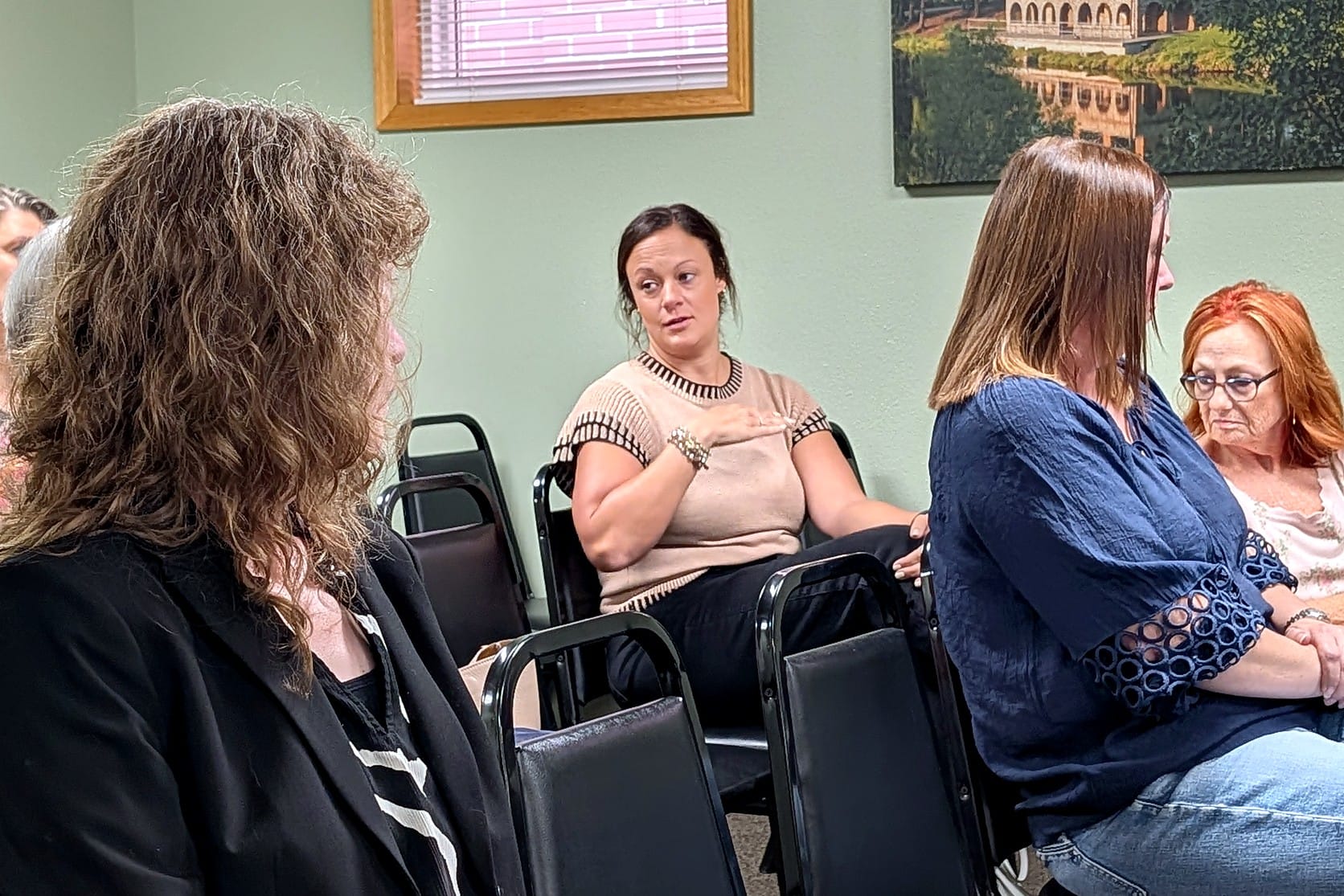
April Nutt, executive director of the Independence Housing Authority, described a $9 million downtown project that would have created 48 housing units with commercial space on the first floor. The investors pulled out after 18 months of waiting on approvals, mainly for historic tax credits but also through USDA, she said.
The housing was tied to a company expected to bring 150 jobs downtown, Nutt said.
"We don't want to be the bottleneck," Smith said.
Gimmie Jo Jansonius, USDA Rural Development's Kansas state director, said a pilot the agency announced Tuesday, which includes its Section 538 rental housing loans, may cut approval time "from almost a year of approval to like 90 days."
Under USDA's Section 538 program, a private lender makes the loan to build or rehab a rural apartment complex, and USDA guarantees up to 90% of it. Tenants must earn no more than 115% of the area median income when they move in.
Nutt said Independence recently built eight single-family homes of about 1,500 to 1,800 square feet. The homes cost $295,000 to $345,000 to build, and that doesn't include the roughly $50,000 per lot in infrastructure the city covered with a Rural Housing Incentive District, she said.
Nutt said Independence's budget of $100,000 a year for demolition covers maybe 20 homes, while about 200 probably need to come down.
"But there are no grants out there for demolition, not that we can find," she said.
Schmidt floated a tax credit or faster tax write-off for demolition costs, which would take congressional action.
"That's not an imminent fix, but it's a chronic problem, and it's both urban and rural," Schmidt said.
Jansonius encouraged local leaders to bring in philanthropic partners, as northwest Kansas has done with the Dane G. Hansen Foundation.
Lyons said Fort Scott has a community foundation and has talked about housing for years, but it will take more than that.
"It's going to take a collaboration between the city and the county and the philanthropic partner and an investor and some grant funds from the state or federal level," Lyons said.
"And that's where, at some point, everybody either doesn't play well in the same playground," she said, or the timeline drags on until partners back out.
"So it has been attempted multiple times," Lyons said.
"If you start pulling in all of those groups, then that gets overwhelming," Lyons said.
Jansonius offered to connect her with a banker who works with larger foundations.
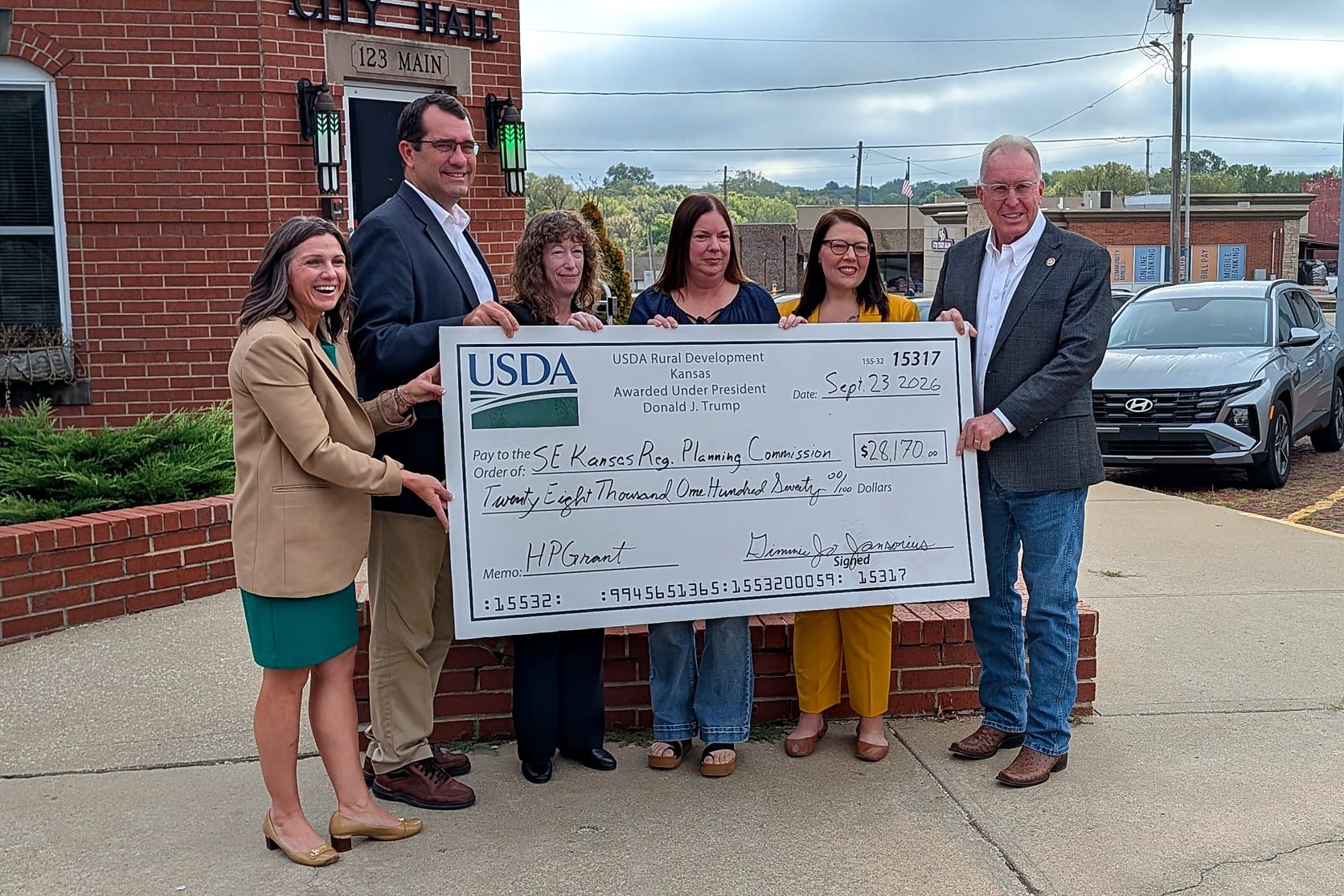
After the roundtable, USDA presented a Housing Preservation Grant to the SEK Regional Planning Commission. The program pays to rehabilitate existing housing, and this round went to one applicant in Bourbon County and one in Coffey County, Jansonius said.
The $28,170 grant will rehab bathrooms at a low-income apartment complex in Bronson, said Jenny McKee, the complex's site manager.